Exploring effective therapies for recovery and well-being requires both practical insight and trusted scientific guidance. For evidence-based information on many of the therapies discussed, such as cryotherapy, hyperbaric oxygen therapy, red light therapy, and acupuncture, organisations like the Cleveland Clinic provide reliable medical references. Here at Health and Fitness Travel, we break down a range of modern therapies, including cryotherapy, HBOT, infrared saunas, ice baths, yoga, sleep optimisation, acupuncture, breathwork, red light therapy, and IV drips, showing how each supports healing, performance, and overall well-being.

Cryotherapy
Cryotherapy has grown rapidly in popularity for its powerful ability to reduce inflammation, enhance recovery, and boost overall well-being – but what makes it so effective? During a session, the body is exposed to temperatures around –130°C for three minutes, triggering a rapid survival response. The brain releases adrenaline, endorphins, and anti-inflammatory proteins that relieve pain, elevate mood, and support natural healing. Maria Ensabella of LondonCryo explains that the body briefly believes it’s entering hypothermia, causing blood to rush inward to protect vital organs. When you step out, oxygen-rich blood re-circulates, reducing inflammation and increasing energy. With minimal preparation and no downtime, cryotherapy offers an instant feeling of revitalisation.
Hyperbaric Oxygen Therapy (HBOT)
Hyperbaric Oxygen Therapy dramatically increases the amount of oxygen your body absorbs by allowing you to breathe 100% oxygen at pressures up to 2.5 times higher than normal. This surge in oxygen supports rapid tissue repair, reduces inflammation, and accelerates overall healing. HBOT is traditionally used for decompression sickness, carbon monoxide poisoning, and wound healing, but has become more popular for wellness and recovery enhancement. Sessions typically take place in a reclining hyperbaric chamber lasting 90 minutes to two hours. Some people may feel ear pressure due to the increased atmospheric pressure, similar to flying. Once complete, individuals usually resume daily activities straight away, making HBOT both restorative and convenient.

Infrared Sauna
Infrared saunas differ from traditional saunas by using wavelengths of light that heat the body directly rather than heating the air. NASA notes that near-infrared is closest to visible light, while far-infrared is felt as gentle warmth. Operating at a comfortable 45–60°C, infrared saunas generate a deep, detoxifying sweat without overwhelming heat. Dr Matthew Calcasola describes this invisible light as warming you from the inside out, allowing more people to access the benefits of heat therapy. Research indicates improvements in circulation, cell repair, and recovery, particularly when used 3-4 times per week. Additional benefits may include reduced inflammation, better sleep, improved skin tone, and enhanced cardiovascular support, making infrared an excellent wellness tool.
Ice Baths
Ice baths are widely used for recovery, inflammation control, and overall wellness. Immersing the body in cold water may strengthen the immune system, reduce stress, improve circulation, and even support metabolic health. Some studies suggest potential improvements in cholesterol, chronic inflammation, and insulin sensitivity, although many effects depend on overall lifestyle. Experts typically recommend limiting sessions to 10–15 minutes due to the risks of prolonged cold exposure—especially for those with heart or circulatory conditions. As the body warms up after immersion, circulation increases and helps flush out lactic acid, reducing soreness and speeding recovery. While research continues to evolve, ice baths remain a powerful yet simple tool when used safely.
Sleep
Sleep is one of the most essential pillars of health, driving growth, repair, hormone balance, and physical restoration. During deep sleep, the body boosts immune defence, supports tissue healing, and stabilises appetite-regulating hormones, which impact weight management and cravings. Quality rest also enhances performance: faster reaction times, improved coordination, and accelerated recovery are all linked to consistent sleep routines. For students and professionals, sleep plays a major role in memory, concentration, and emotional well-being. Poor sleep increases irritability and stress, and chronic deprivation raises the risk of anxiety and depression. Prioritising regular, high-quality sleep strengthens resilience, sharpens the mind, and supports long-term physical and emotional health.
Yoga
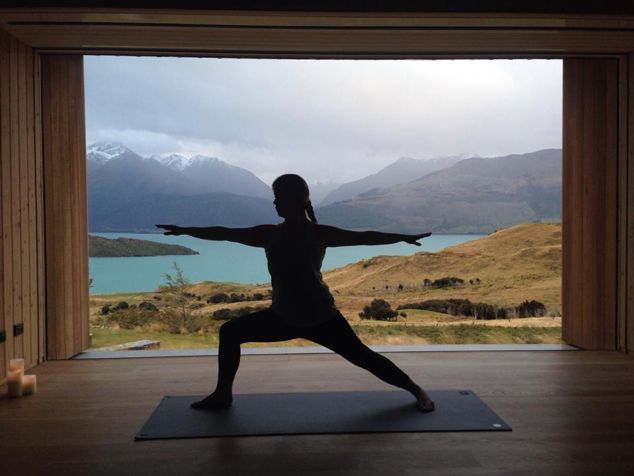
Yoga is one of the most effective practices for improving both physical and emotional wellness. Through mindful movement, stretching, and controlled breathing, yoga enhances flexibility, posture, balance, and overall strength. Its accessibility makes it suitable for beginners and advanced athletes alike. Regular practice also calms the nervous system, reducing stress and promoting emotional clarity. Breathwork and meditation help ease anxiety and tension, creating a grounded mental state. Physically, yoga supports joint health, improves mobility, and may relieve chronic pain. It also improves sleep, boosts immunity, and lowers inflammation. By increasing awareness and helping individuals tune into their bodies, yoga is so good for you as it fosters confidence, body positivity, and better stress management.
Breathwork / Deep Breathing
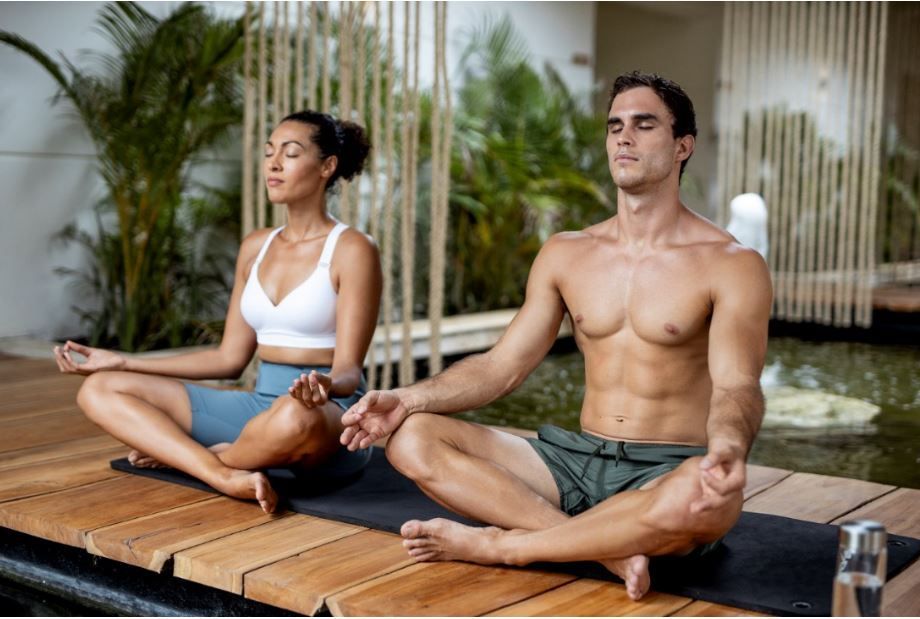
Deep, controlled breathing is a simple but powerful tool for reducing stress, anxiety, and physical tension. Research shows that slow breathing activates the parasympathetic nervous system, helping regulate heart rate, blood pressure, and the body’s overall stress response. This activation increases Heart Rate Variability (HRV) and Respiratory Sinus Arrhythmia (RSA), both indicators of cardiovascular resilience. Breathwork also influences the brain by boosting calming alpha-wave activity, which enhances focus and emotional stability. Many people experience improved mood, relaxation, and reduced irritability after just a few minutes of practice. With its direct impact on both heart and brain, breathwork offers an accessible daily method for fostering calm and balance.
Acupuncture
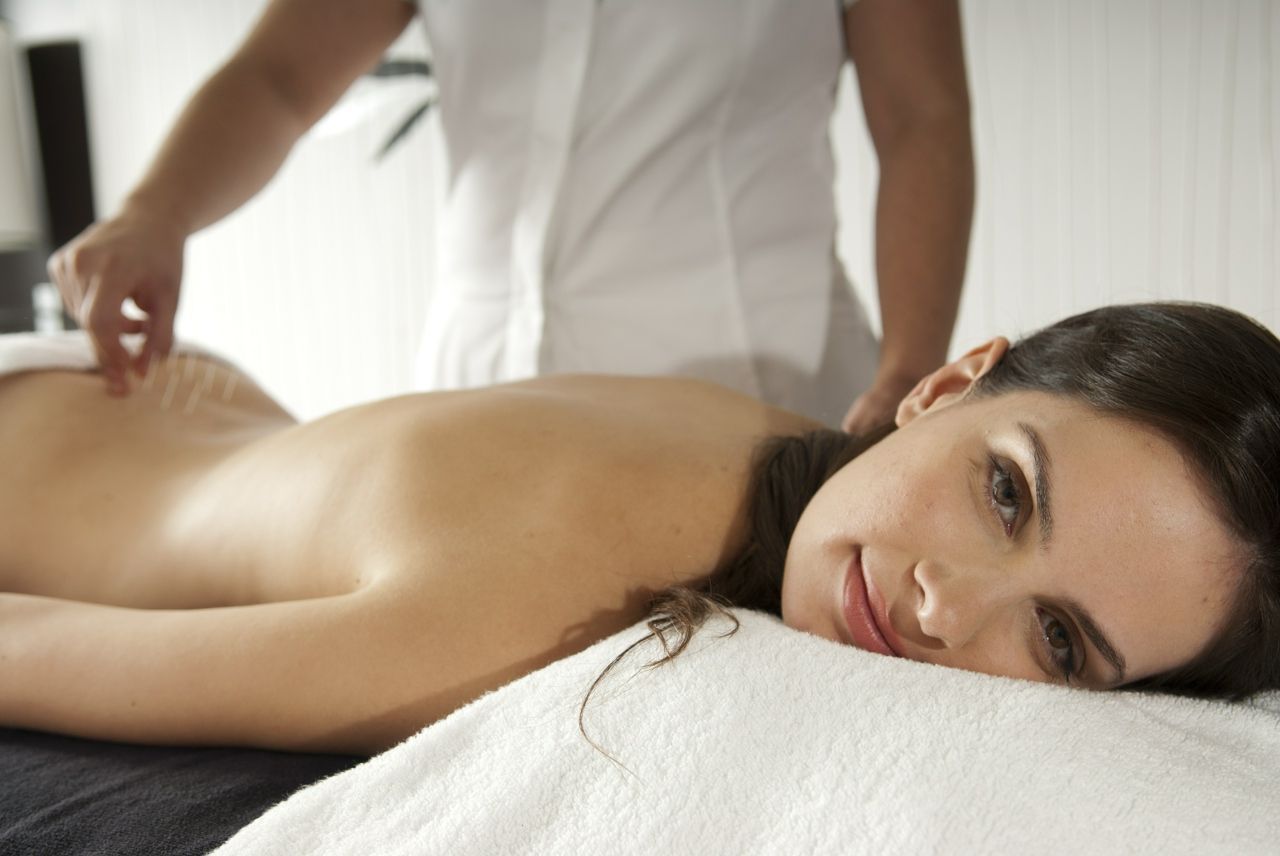
Acupuncture involves placing fine needles into specific acupoints on the body to stimulate natural healing responses. Research suggests this process may trigger the release of endorphins and influence neurotransmitters like serotonin, supporting emotional well-being. Acupressure uses finger pressure on the same points, offering similar benefits without needles. Acupuncture is commonly used for pain conditions such as low back pain, migraines, nerve pain, menstrual discomfort, and fibromyalgia. From a traditional Chinese medicine perspective, acupuncture restores healthy energy flow (qi) along the body’s meridians, promoting balance and harmony. Whether viewed through a modern or traditional lens, acupuncture remains a valuable therapy for both physical and emotional health.
Red Light Therapy (Photobiomodulation)
Red light therapy uses low-energy wavelengths to stimulate the mitochondria, supporting cellular energy production, reducing inflammation, and improving tissue repair. This gentle, non-thermal treatment is widely used for pain relief, recovery, and skin enhancement. For hair health, red light may stimulate follicles to produce thicker, stronger hair—especially when combined with treatments such as minoxidil. It also boosts circulation and oxygenation, accelerating wound healing and reducing scarring. Red light proves particularly effective for surface-level pain such as tendon issues, muscle soreness, and fibromyalgia. Skin benefits include increased collagen, reduced pigmentation, improved texture, and decreased redness. Many dermatologists recommend using red light alongside skincare routines for optimal results.

IV Drip Therapy (Hydration + Vitamins)
IV drip therapy delivers fluids, vitamins, and medications directly into the bloodstream for rapid absorption and fast results. A small catheter inserted into a vein allows hydration and nutrients to enter the body instantly, bypassing the digestive system. This makes IV therapy particularly beneficial for individuals with absorption issues, severe dehydration, or those needing quick replenishment after illness, travel, or intense exercise. Popular vitamin blends such as the Myers’ Cocktail may support energy levels, immunity, and overall recovery. Medical uses include iron infusions, chemotherapy, and ketamine treatments. The biggest appeal is speed—symptoms often improve within minutes as the body receives immediate hydration and nutrient support.
Put your health and well-being first on one of our bespoke luxury wellness retreats and speak to one of our Wellness Travel Specialists today on 0203 397 8891 or contact us here