Every November, Men’s Health Awareness Month puts the spotlight on something that too often slips to the bottom of the to-do list: looking after yourself. Driven by the Movember movement, which has encouraged men to talk openly about mental health and keep on top of their health since 2003, the month is a prompt to ask how you’re really doing, physically and mentally.
The good news is that better health rarely needs a dramatic overhaul. Small consistent changes to how you move, rest, eat and switch off usually matter far more than a short-lived reset.
Below are seven practical ways to improve your wellbeing, whatever your age, fitness level or starting point, along with how time away on a wellness holiday can help turn good intentions into lasting habits.
Prioritise Your Mental Health and Manage Stress
Stress is a normal part of life, but when it becomes constant it can wear you down. Persistent tension, poor concentration, irritability, disturbed sleep and a feeling of running on empty are all common signs of stress and emotional exhaustion, and many men put up with them for far too long before mentioning them to anyone.
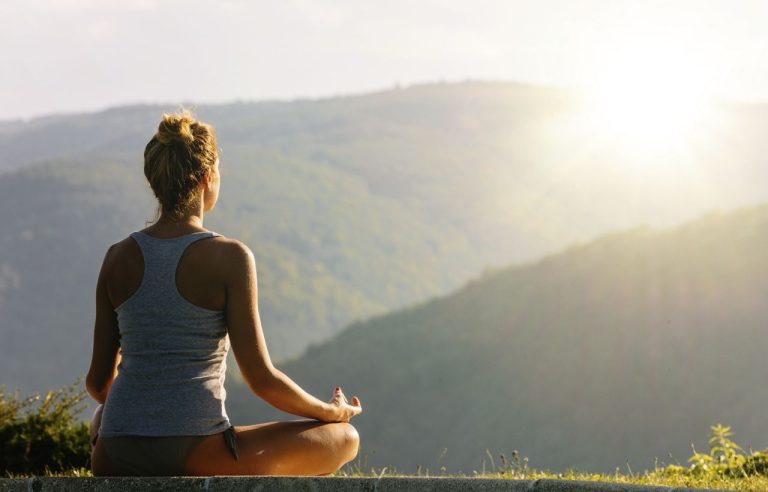
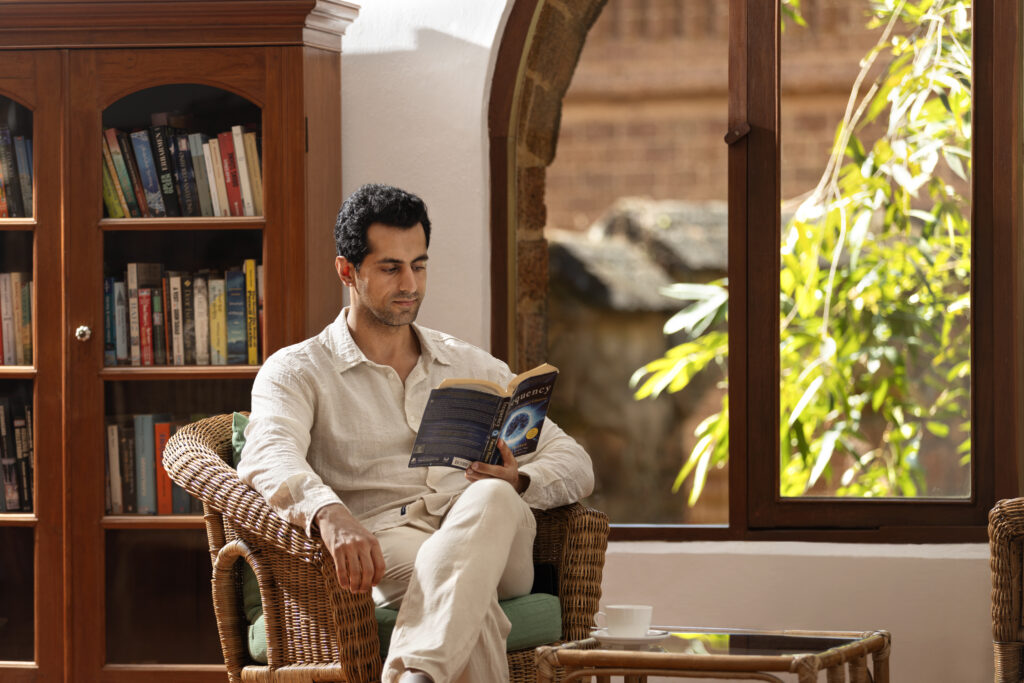
A few habits can help. Mindfulness, meditation and breathing exercises give your mind a chance to settle, while yoga combines gentle movement with focus.
Talking to a friend, family member or your GP is just as valuable, and if you ever need to speak to someone urgently, Samaritans are available free on 116 123, day or night.
Building proper time away from work and daily responsibilities into your year matters too.
Our de-stress retreats and wellness sabbaticals offer space to learn relaxation techniques and build calmer everyday routines.

Build Strength and Improve Physical Fitness
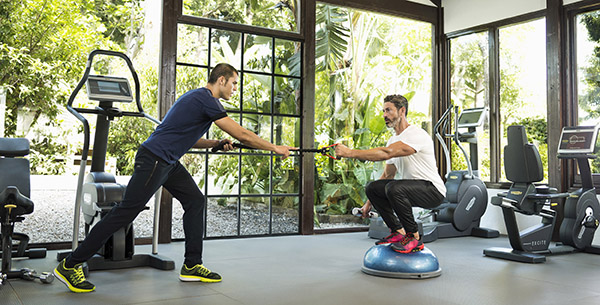
The NHS recommends that adults aim for at least 150 minutes of moderate-intensity activity a week, alongside strength exercises that work all the major muscle groups on at least two days. Strength training helps maintain muscle mass and the functional fitness that makes everyday life easier, from carrying shopping to playing with your children, while cardiovascular exercise supports heart health and stamina.
It isn’t only about lifting heavier weights. The healthiest routines balance strength, cardio, mobility and flexibility, and they’re the ones you can realistically keep doing. A brisk walk, a swim, a cycle or a local class all count.
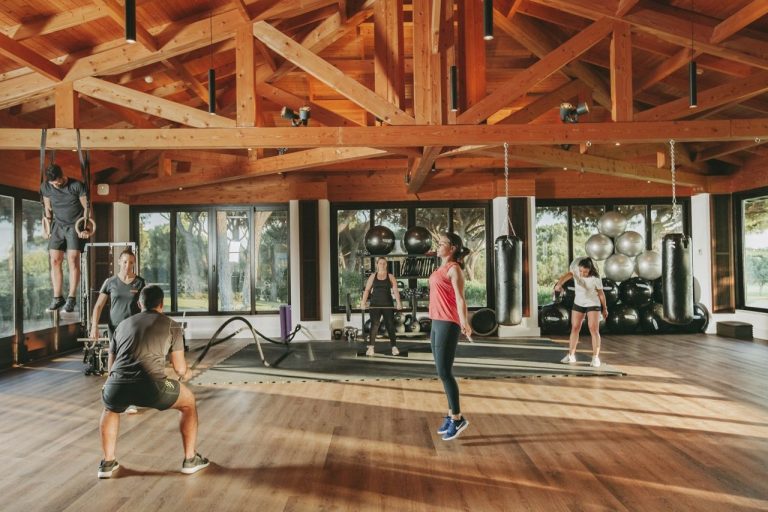
If you’d like a structured kick-start, a fitness holiday can combine personal training, guided classes, recovery and nutrition in one place, giving you expert coaching and a programme to continue at home.
Our fitness retreats are designed for a range of abilities, from those returning to exercise to people who already train regularly.
Improve Your Sleep Quality
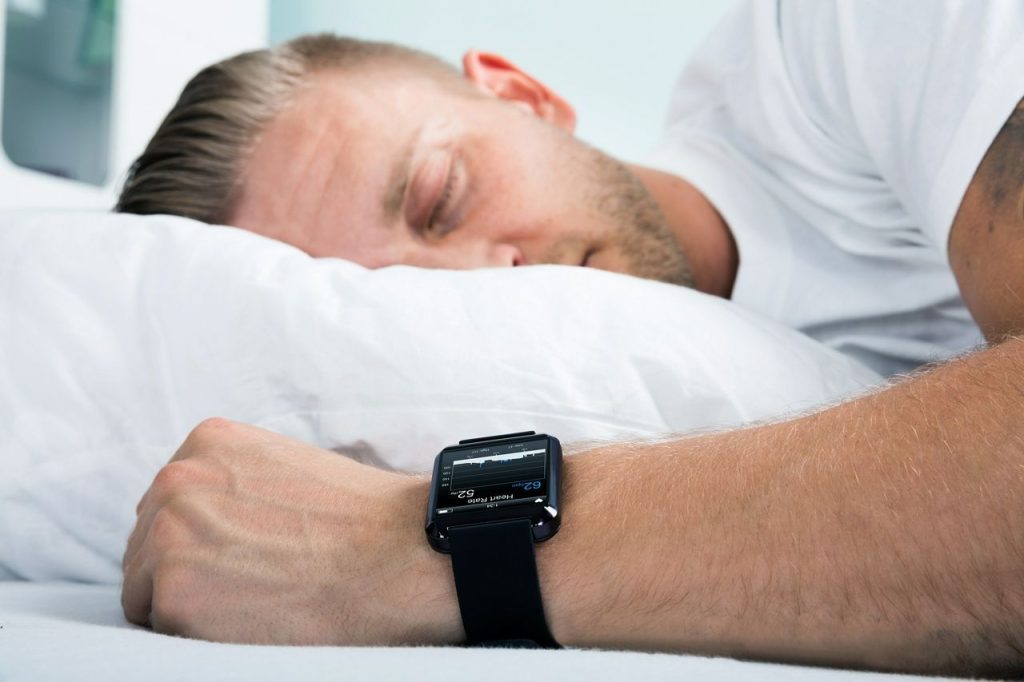
Sleep affects almost everything: mood, concentration, appetite, energy and how well your body recovers from exercise. The NHS notes that most adults need between seven and nine hours a night and that regularity matters as much as quantity.
Simple habits make a difference:
- Keep a consistent bedtime and wake-up time, including at weekends.
- Limit screens in the hour before bed.
- Keep your bedroom cool, dark and quiet.
- Wind down with a relaxing routine, such as a warm bath or a few minutes of reading.
- Cut back on caffeine later in the day and avoid heavy meals late at night.
Sleep-focused wellness retreats can help guests establish healthier habits through personalised guidance, relaxation practices and an environment designed for rest.
Take a look at our Sleep & Relax Retreats page to see how this works in practice.
Focus on Nutrition and Long-Term Health
Good nutrition is about steady, sustainable choices rather than strict rules. Build meals around plenty of fruit and vegetables, including fibre-rich wholegrains and pulses. Choose lean sources of protein and drink enough water throughout the day.
It also helps to be honest about what you could cut back on. The NHS advises keeping alcohol to no more than 14 units a week, spread over several days, and limiting highly processed foods that are high in salt, sugar and saturated fat. Eating well supports your energy, your fitness and your general wellbeing, and it’s easier to stick to when meals are enjoyable.
Some wellness holidays put nutrition at the centre, combining fresh, healthy cuisine with consultations with nutrition professionals and practical education on eating well at home.
Check out our Nutrition-Friendly Retreats and where to go for a men’s health MOT retreat.

Make Time for Recovery and Relaxation
Recovery is part of a healthy routine, not a reward for finishing it. Your body adapts and strengthens during rest, which is why rest days matter. Training hard every day without adequate recovery can leave you feeling flat, achy or more prone to injury.
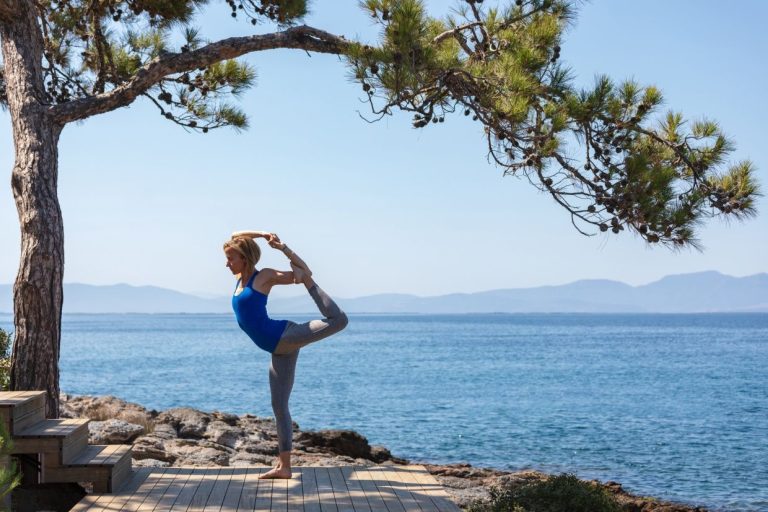
Gentle mobility work, stretching and restorative activities such as walking or yoga help muscles recover and keep joints moving well. Relaxation matters just as much: whether it’s breathing exercises or time outdoors, find something that genuinely helps you unwind and protect time for it.
Recovery-focused wellness holidays, such as the De-Stress & Recovery programme at Absolute Sanctuary in Thailand, can bring these elements together through restorative treatments, gentle exercise and relaxation.
Take a Proactive Approach to Preventative Health and Healthy Ageing
Many men wait until something feels wrong before seeing a doctor. A more proactive approach includes attending relevant NHS screening invitations and discussing concerns with your GP. In England, eligible adults aged 40 to 74 may be invited for an NHS Health Check every five years, while eligibility for bowel cancer screening and abdominal aortic aneurysm screening depends on age and the applicable NHS programme. Check current NHS guidance for your location and circumstances.
Healthy ageing for your longevity is also about keeping up the habits that protect you: staying strong, staying mobile, eating well, sleeping well and keeping socially connected. There are no quick fixes here; long-term wellbeing comes from sustainable routines.
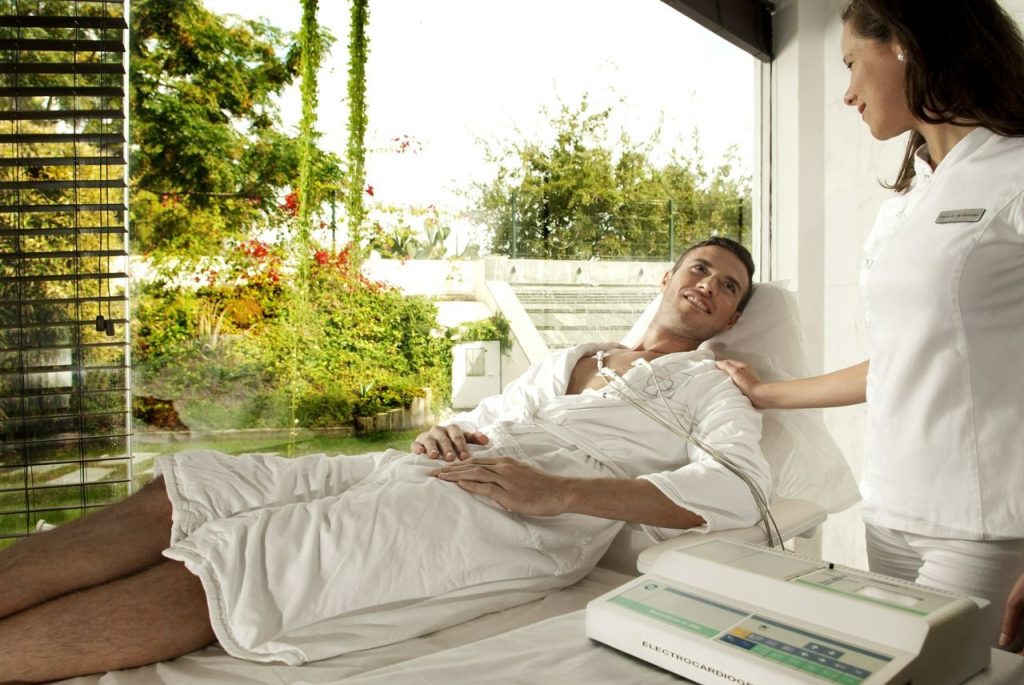
Some wellness destinations offer preventative and longevity programmes that include professionally supervised health assessments, which can provide a useful snapshot of where you are and where to focus. It’s worth distinguishing these evidence-based medical assessments from unproven longevity treatments and choosing programmes led by qualified professionals.
Our Longevity and Healthy Ageing Retreats are chosen with that in mind.
Invest in a Wellness Holiday to Reset Your Wellbeing
It’s hard to change habits when you’re surrounded by the same pressures and distractions every day. A dedicated wellness holiday gives you time and space to focus on yourself, away from the inbox, the commute and the school run, with expert guidance on hand.
Depending on the programme, that might include:
- Structured fitness sessions and personal training
- Mindfulness and stress management workshops
- Healthy nutrition and practical lifestyle advice
- Recovery, relaxation and restorative treatments
- A personalised wellness plan to take home
Wellness holidays also aren’t only about spas and pampering. Many are built around fitness, performance, recovery and long-term health, and they welcome all ages and abilities, whether you’re booking a first trip or fine-tuning a routine you already enjoy. Many men also find that spending a week focused on their own wellbeing makes it far easier to keep going once they’re home.
If you’d like to explore the options, read our guide to the Best Wellness Retreats for Men.
Frequently Asked Questions
Why is Men’s Health Awareness Month important?
Men’s Health Awareness Month, led by Movember each November, encourages men to look after their physical and mental health and to talk about issues that are often kept quiet. It’s a reminder to book overdue check-ups, check in on friends and family, and make small changes that support long term wellbeing.
What are the best ways for men to improve their mental wellbeing?
Regular exercise, good sleep, time outdoors and staying connected with friends and family all help. Mindfulness, breathing exercises and yoga can ease everyday stress.
Talking about how you feel matters, whether with someone you trust or your GP. If you’re struggling, support is available, including Samaritans on 116 123.
Can wellness retreats help men manage stress?
Wellness retreats can give you time away from daily pressures and introduce techniques such as mindfulness, yoga, breathing exercises and healthier routines that support relaxation. They aren’t a medical treatment, and they don’t replace professional care, but many guests find them a useful way to reset and build habits they can continue at home.
Are wellness retreats suitable for men travelling alone?
Yes. Many guests travel solo, and retreats are well suited to it, with structured programmes, group activities and a relaxed atmosphere that make it easy to meet people if you want to or enjoy quiet time if you’d prefer. Our team can help you find a programme and setting that suits you.
What should men look for in a wellness holiday?
Start with your goals, whether that’s fitness, stress relief, sleep, nutrition or recovery, then look for a programme that matches. Check the qualifications of the professionals involved, how personalised the programme is, what’s included, and whether the pace suits your fitness level. A wellness specialist can help you compare options.
Plan Your Men’s Wellness Holiday
Taking care of your physical and mental wellbeing is an investment in your long-term health. Whether you want to improve fitness, manage stress, enhance recovery or simply recharge, Health and Fitness Travel can help you find a wellness holiday tailored to your goals.
With experience organising specialist wellness holidays since 2010, our team can guide you towards the right destination and programme.
Contact our wellness travel specialists to start planning your personalised wellness holiday.
- Make an enquiry
- Take the Wellness Travel Quiz
- Email: info@healthandfitnesstravel.com
- Telephone: (+44) 0203 397 8891