We spend approximately a third of our lives asleep, yet getting a good night’s rest can sometimes feel harder than ever. Rising stress, late-night screen time and demanding schedules can all interfere with our sleep, leaving us feeling exhausted, unfocused and unable to recharge.
Although sleep requirements vary between individuals, most adults need around seven to nine hours each night. However, getting enough sleep isn’t always as simple as going to bed earlier. Stress, hormonal changes, lifestyle habits and underlying health conditions can all affect the quality of our rest.
That’s where a sleep retreat may help. Unlike a traditional spa weekend, a specialist wellness retreat can provide personalised guidance, relaxation techniques and healthier routines designed to support better sleep.
Whether you’re struggling to switch off, experiencing burnout or simply looking to improve your sleep habits, we’ve explored six common causes of poor sleep and the luxury wellness retreats that could help.
Why Am I Not Sleeping Properly?
There are many reasons why you might struggle to fall asleep, stay asleep or wake feeling refreshed.
According to the NHS, factors such as stress, anxiety, lifestyle habits and health conditions can contribute to sleep difficulties.
Sometimes the cause is obvious, such as a demanding period at work or frequent international travel. In other cases, disrupted sleep develops gradually through everyday habits that become difficult to change.
Understanding what may be affecting your sleep is an important first step towards improving it.
Six Common Causes of Poor Sleep and Retreats That May Help
| Sleep concern | Recommended wellness retreat |
| Stress and an overactive mind | Euphoria Retreat, Greece |
| Burnout and exhaustion | SwaSwara, India |
| Poor sleep habits and disrupted routines | Kamalaya, Thailand |
| Hormonal and lifestyle changes | ZEM Wellness Clinic, Spain |
| Nutrition and overall wellbeing | Santani, Sri Lanka |
| Digital overload and difficulty switching off | Lefay Resort & SPA Lago di Garda, Italy |
Each retreat offers a different approach, from holistic relaxation and traditional therapies to personalised wellness consultations and lifestyle guidance.
Not sure which sleep retreat is right for you? Our Health and Fitness Travel specialists can help you compare programmes and choose an experience suited to your individual goals.
1. Stress and an Overactive Mind
Stress is one of the most common reasons people struggle to sleep.
When you’re dealing with work pressures, anxiety or constant stimulation, switching off at bedtime can become increasingly difficult. Racing thoughts may leave you feeling alert when your body needs to rest.
This can create a frustrating cycle: poor sleep makes everyday challenges feel more stressful, while increased stress makes the following night’s sleep more difficult.
Relaxation techniques, mindfulness and a consistent bedtime routine may help interrupt this pattern.
Euphoria Retreat, Greece, Relax & De-Stress
Nestled in the Greek mountains, Euphoria Retreat provides a peaceful setting to step away from everyday pressures and reconnect with your physical and emotional wellbeing.
Its Relax & De-Stress programme combines personalised wellness guidance with restorative therapies designed to encourage relaxation and support stress management.
Depending on your personalised programme, experiences may include yoga, aromatherapy and other mind-body practices that encourage a calmer state of mind.
The retreat’s spa facilities, including its distinctive sphere pool and Kneipp water therapy, provide further opportunities to unwind.
Best for: Guests experiencing stress, mental overload or difficulty relaxing before bedtime.

Explore the programme: Relax & De-Stress at Euphoria Retreat
2. Burnout and Exhaustion
Burnout can develop after prolonged periods of unmanaged workplace stress, often leaving individuals feeling emotionally drained and physically exhausted.
Although exhaustion might seem like it should make sleeping easier, people experiencing burnout can also struggle with restless nights, disrupted sleep patterns and difficulty switching off.
Taking time away from daily pressures can provide an opportunity to reassess your routine and prioritise recovery.
SwaSwara, India, Naturopathy Reset & Sleep Enhancement Retreat
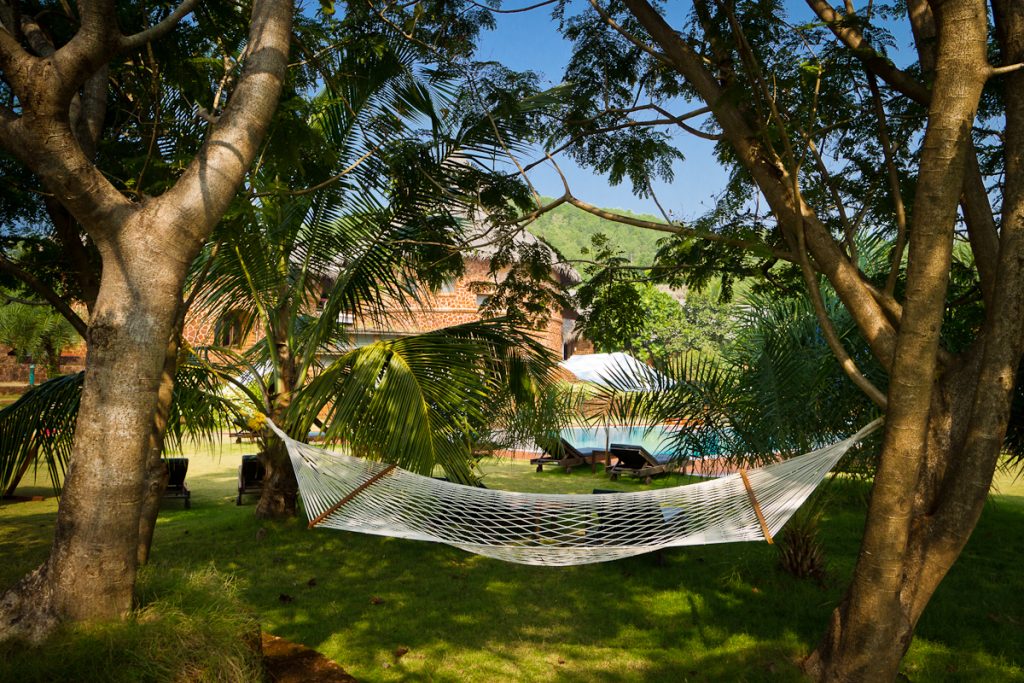
Located on India’s western coast, SwaSwara offers a tranquil environment surrounded by nature, making it an appealing destination for guests looking to slow down and focus on their wellbeing.
The Naturopathy Reset & Sleep Enhancement programme takes a personalised approach to supporting healthier sleep habits.
Following an initial wellness assessment, guests receive guidance and a programme tailored to their individual needs. Depending on the prescribed plan, treatments may include traditional naturopathic therapies, relaxation practices and lifestyle recommendations.
The retreat encourages guests to step away from everyday demands and establish routines that can support better rest beyond their stay.
Best for: Guests feeling mentally and physically exhausted who want structured support for improving their sleep habits.
Explore the programme: Naturopathy Reset & Sleep Enhancement at SwaSwara
3. Poor Sleep Habits and Disrupted Routines
Your internal body clock, known as your circadian rhythm, plays an important role in regulating when you feel awake and sleepy.
Irregular bedtimes, frequent travel, shift work and inconsistent wake-up times can interfere with this natural rhythm.
Lifestyle habits such as consuming caffeine late in the day, eating heavy meals close to bedtime or spending too much time on screens may also contribute to disrupted sleep.
Establishing a more consistent routine is often an important part of improving sleep quality.
Kamalaya, Thailand, Sleep Enhancement Retreat
Set within a lush tropical landscape overlooking the coast of Koh Samui, Kamalaya is renowned for its holistic approach to wellness.
Its Sleep Enhancement programme combines personalised wellness guidance with traditional healing practices and relaxation techniques to support better sleep.
Depending on individual requirements, the programme may incorporate Traditional Chinese Medicine, therapeutic treatments, meditation and consultations with wellness specialists.
The focus extends beyond relaxation, helping guests explore lifestyle habits and practices that may contribute to more restorative sleep.
Best for: Guests with inconsistent sleep routines who want a holistic approach to improving their sleep habits.

Explore the programme: Sleep Enhancement at Kamalaya
4. Hormonal and Lifestyle Changes
Sleep patterns can change throughout our lives, particularly as we get older.
For women, perimenopause and menopause can introduce additional challenges, including night sweats, temperature changes and disrupted sleep.
Changes in daily activity, stress levels and general health can also influence how well we rest.
A personalised wellness retreat may provide a supportive setting to explore relaxation techniques and lifestyle adjustments during these transitions.
ZEM Wellness Clinic, Spain, ZEM Neuro Balance Retreat
Located in Altea on Spain’s Mediterranean coast, ZEM Wellness Clinic combines contemporary wellness approaches with a focus on long-term health.
Its ZEM Neuro Balance programme is designed around individual wellbeing, with personalised consultations and therapies aimed at supporting relaxation and emotional balance.
Depending on the guest’s assessment and programme, experiences may include mind-body sessions and neurotherapy-based approaches.
The retreat offers an opportunity to step away from daily pressures and focus on personal wellbeing in a peaceful Mediterranean environment.
Best for: Guests interested in emotional balance, relaxation and personalised wellness support during periods of lifestyle change.

Explore the programme: ZEM Neuro Balance at ZEM Wellness Clinic
5. Nutrition and Overall Wellbeing
What you eat, when you exercise and how active you are throughout the day can all influence your sleep.
Large meals close to bedtime may cause discomfort, while caffeine and alcohol can interfere with sleep quality. Regular physical activity can support better rest, although vigorous exercise late in the evening may affect some people’s ability to fall asleep.
Rather than focusing on one particular habit, improving overall wellbeing can help create the conditions for more consistent sleep.
Santani Wellness Resort & Spa, Sri Lanka, Sleep Retreat
Surrounded by Sri Lanka’s beautiful hill country, Santani offers a peaceful escape focused on holistic wellbeing.
Its Sleep programme brings together personalised wellness guidance, balanced nutrition, movement and restorative practices.
Following an initial consultation, guests receive a tailored wellness plan designed around their individual goals.
Yoga, relaxation techniques and thoughtfully prepared meals form part of the resort’s broader approach to supporting physical and mental wellbeing.
The emphasis is on developing sustainable habits that guests can continue after returning home.
Best for: Guests seeking a balanced approach to sleep through nutrition, movement and relaxation.

Explore the programme: Sleep at Santani Wellness Resort & Spa
6. Digital Overload and Difficulty Switching Off
From work emails to social media, our increasingly connected lifestyles can make it difficult to disconnect.
Late-night scrolling can delay bedtime, while notifications and constant access to information may encourage habits that interfere with relaxation.
Bright light from screens, particularly in the evening, can also affect the body’s natural sleep-wake rhythm.
Creating boundaries around technology and establishing a calming evening routine may help support better sleep.
Lefay Resort & SPA Lago di Garda, Italy, Sleep Well Retreat
Overlooking the spectacular scenery of Lake Garda, Lefay Resort & SPA offers a restorative environment for guests looking to disconnect from everyday distractions.
Its Sleep Well programme draws on the principles of Traditional Chinese Medicine alongside personalised wellness treatments and relaxation practices.
Depending on the programme, experiences may include therapeutic treatments, heat therapies and techniques designed to encourage physical and mental relaxation.
With extensive spa facilities, beautiful natural surroundings and a focus on wellbeing, Lefay provides an appealing setting to reduce screen time and reconnect with a slower pace of life.
Best for: Guests who struggle to switch off from technology and want to establish more relaxing evening habits.

Explore the programme: Sleep Well at Lefay Resort & SPA Lago di Garda
What Happens at a Sleep Retreat?
A specialist sleep retreat offers more than a relaxing holiday. It provides an opportunity to explore the factors affecting your rest and develop healthier habits.
Although every programme differs, many include an initial consultation to understand your lifestyle, sleep patterns and wellness goals.
Depending on the retreat, your stay may involve:
- Personalised wellness consultations and sleep assessments
- Relaxation techniques, meditation and breathwork
- Yoga and gentle physical activity
- Spa treatments and therapeutic massages
- Nutrition and lifestyle guidance
- Opportunities to reduce digital distractions
Some programmes also provide guidance on maintaining healthier routines after returning home.
The aim is not simply to enjoy a few nights of better sleep while away, but to develop practical habits that may support long-term wellbeing.
Can a Wellness Retreat Really Help You Sleep Better?
A wellness retreat can offer a supportive environment for improving sleep habits, particularly when stress, lifestyle choices or an inconsistent routine are contributing factors.
Time away from everyday responsibilities may make it easier to establish regular bedtimes, practise relaxation techniques and focus on personal wellbeing.
However, results vary, and a retreat should not be considered a medical treatment or guaranteed solution for insomnia.
If your sleep difficulties have persisted for several months, are affecting your daily life or may be linked to an underlying medical condition, it’s important to consult your GP. Cognitive behavioural therapy for insomnia (CBT-I) is an established treatment for persistent insomnia.
For those looking to complement appropriate medical advice with a restorative wellness experience, a specialist retreat may provide valuable lifestyle support.
Frequently Asked Questions About Sleep Retreats
How long should I go on a sleep retreat for?
The ideal duration depends on your individual goals, the programme and the time you have available. A shorter stay of three to five nights may provide an opportunity to unwind and learn practical relaxation techniques. A longer retreat of seven nights or more can allow additional time to establish routines, experience personalised therapies and focus on lifestyle changes. Our wellness travel specialists can help you compare programme durations and find an option suited to your needs.
Can a wellness retreat help with insomnia?
A specialist retreat may help you develop healthier sleep habits through relaxation, stress management and lifestyle guidance. However, persistent insomnia may require medical assessment and evidence-based treatment. A wellness retreat should complement, rather than replace, appropriate healthcare.
What treatments are included at a sleep retreat?
Treatments vary between resorts and programmes but may include therapeutic massages, yoga, meditation, acupuncture, relaxation therapies, nutrition consultations and personalised wellness guidance. Some specialist retreats also offer more structured sleep assessments. It’s worth comparing the programme inclusions before booking to ensure they align with your goals.
Are sleep retreats suitable for solo travellers?
Yes. Many wellness retreats welcome solo travellers and provide a supportive environment for those looking to focus on their health and wellbeing. Personalised programmes, group wellness activities and opportunities for quiet reflection can make a solo wellness holiday particularly appealing.
Find the Right Sleep Retreat for You
Whether you’re drawn to the peaceful mountains of Greece, the holistic traditions of Thailand or the restorative surroundings of Lake Garda, the right sleep retreat can provide an opportunity to step away from everyday pressures and focus on healthier habits.
Since 2010, Health and Fitness Travel has been helping guests find luxury wellness retreats tailored to their individual needs and goals. We understand the differences between sleep-focused programmes, specialist treatments and resort experiences, allowing us to recommend the most suitable options, save you time and help you choose with confidence.

Not sure which retreat is right for you?
Take our wellness travel quiz to explore experiences that match your preferences and goals.
Alternatively, contact our wellness travel specialists for personalised recommendations and expert guidance on planning your next wellness holiday.